
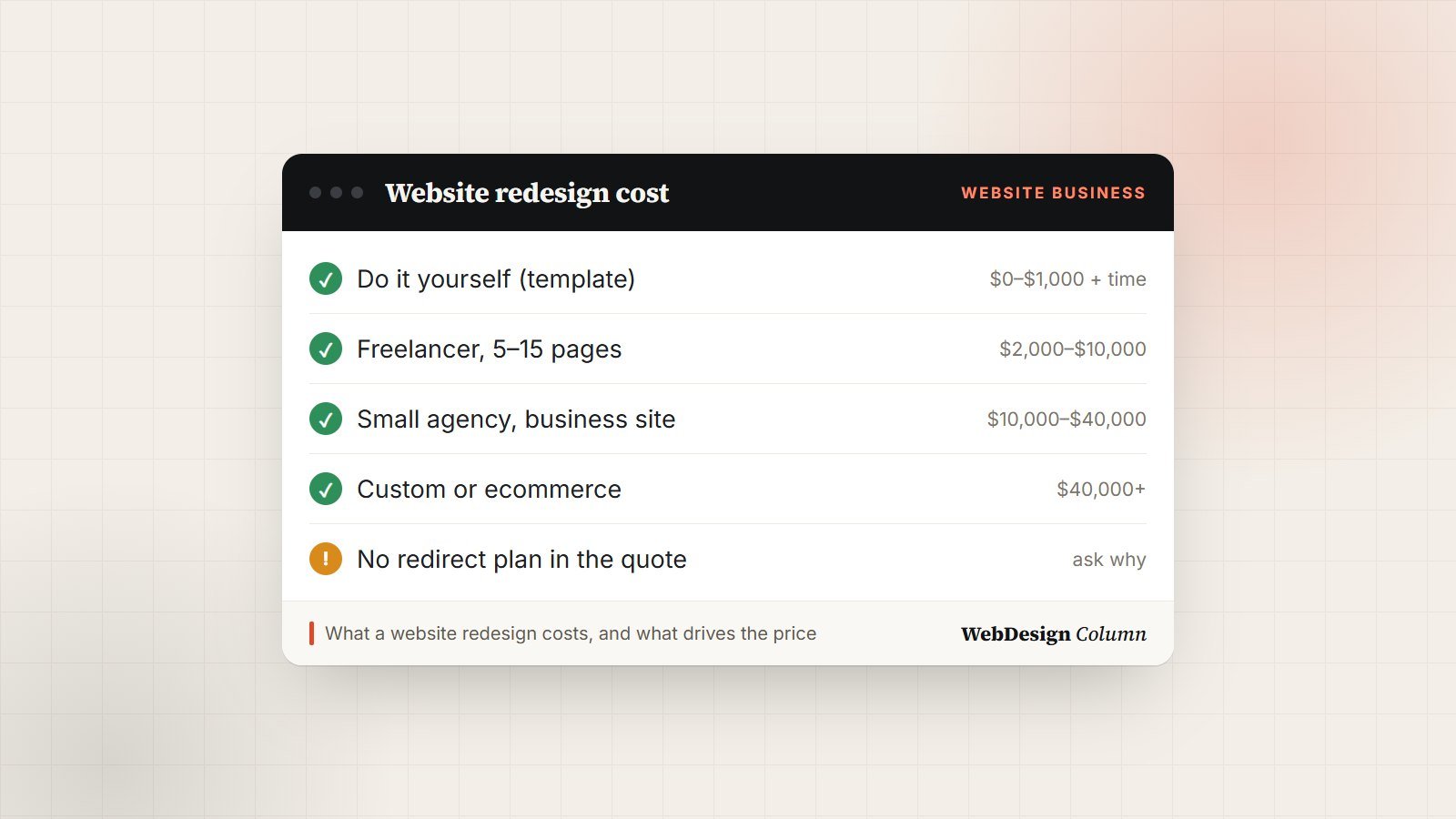
A website redesign can cost a few hundred dollars or more than $50,000, and both prices can be fair. The difference is rarely the design itself. It’s the number of pages, who writes the content, what the site has to do, and how carefully the old site’s search traffic gets moved across.
Here’s what a redesign typically costs at each level, what actually drives the price, the costs people forget, and how to read a quote so you know what you’re paying for.
Key takeaways
- Most small business redesigns land somewhere between a few thousand and the low tens of thousands of dollars.
- Content, features and the SEO migration move the price more than the visual design does.
- Budget for the year after launch too: hosting, licenses and maintenance don’t stop when the invoice is paid.
- A cheap quote with no redirect plan can cost more in lost traffic than the whole project.
What a website redesign typically costs
These are rough bands based on what freelancers and agencies in the US commonly publish. Your quote can sit outside them, but if it’s far outside, ask why.
| Approach | Typical cost | What you usually get |
|---|---|---|
| Do it yourself with a template or site builder | $0–$1,000 plus your time | A new look on your existing content; you handle setup, content and redirects |
| Freelancer, small site (5–15 pages) | $2,000–$10,000 | Template-based or light custom design, setup, basic SEO; content usually from you |
| Small agency, business site | $10,000–$40,000 | Discovery, custom design, content help, redirect plan, testing, training |
| Large, custom or ecommerce site | $40,000–$100,000+ | Custom design and development, integrations, migrations, accessibility work, project management |
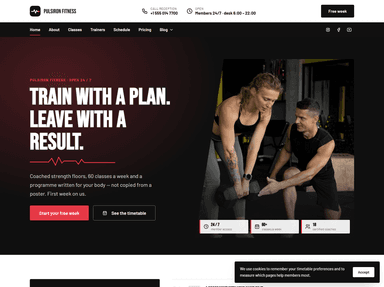
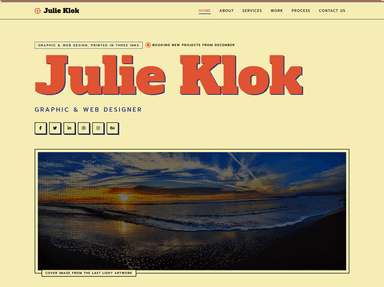
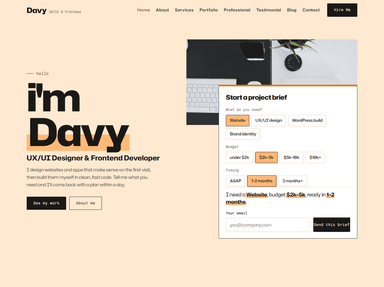
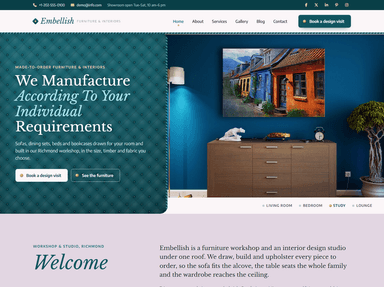 FreeHTML
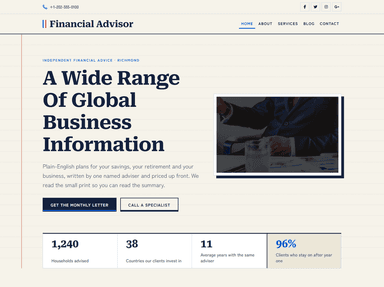 FreeHTML
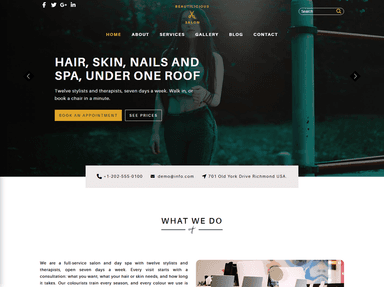
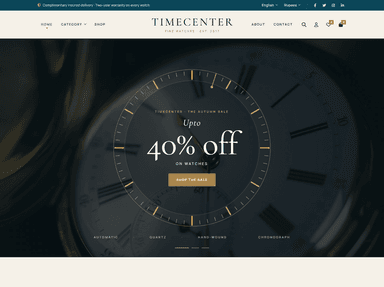
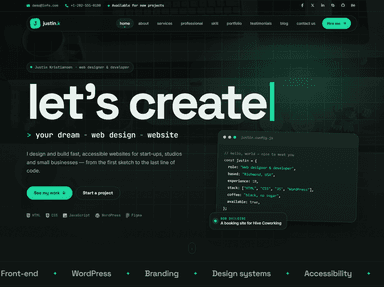 PremiumAstro
 FreeHTML
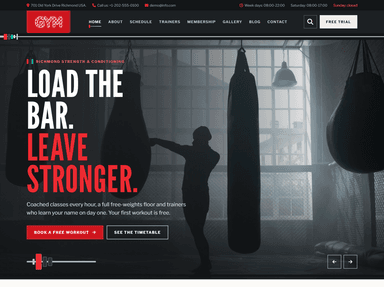
 FreeHTML
 FreeHTML
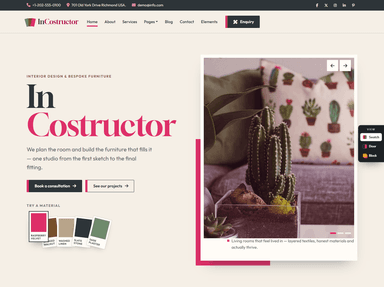
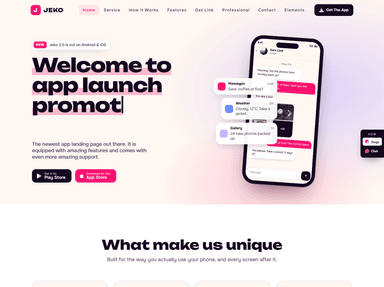 FreeHTML
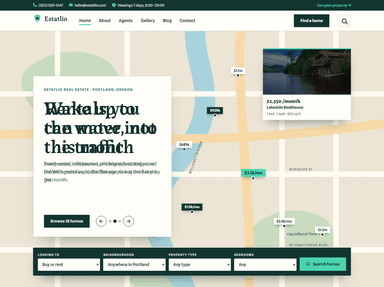
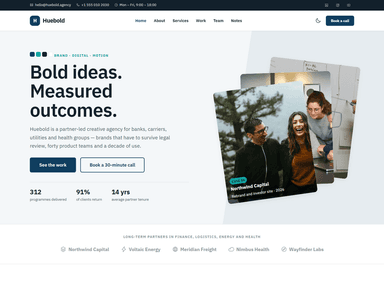 PremiumElementor
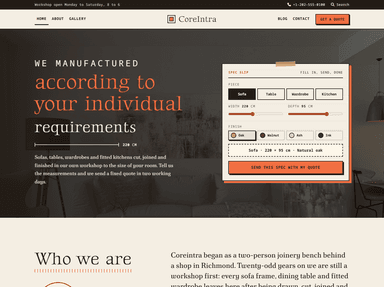
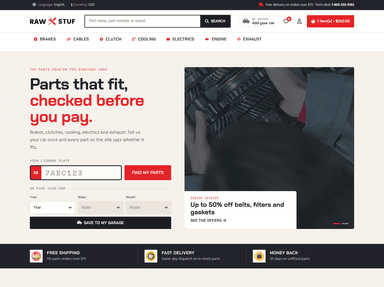 FreeHTML
What actually drives the price
The number of pages is the obvious one, but it’s rarely the biggest. A 10-page site with booking, a member area and a CRM connection costs more than a 40-page brochure site.
Content is usually the sleeper. If the agency writes or rewrites your pages, that can be a third of the budget, and it’s also where most projects run late. Photography is the same story: real photos of your team and work cost money, and stock photos cost trust.
Then there’s what the site has to do. Online store, booking, quotes, logins, multiple languages, integrations with your CRM or accounting software: each adds design, build and testing time. So does moving to a different platform, for example from Wix or Squarespace to WordPress.
Custom design costs more than adapting a good template. Sometimes that’s worth it; for many small businesses it isn’t, and the money is better spent on content and speed.
Finally, the SEO migration: mapping every old URL to a new one, keeping what ranks, and checking it all after launch. It’s tedious, it rarely shows up in a design mockup, and skipping it is the most expensive mistake on this list.
From experience: when we rebuilt WebDesignColumn in 2026, the new theme was built in the first few days. Most of the project was everything else: rewriting a dozen older posts, merging thin ones into stronger guides, and mapping redirects so old links and rankings carried over. That’s normal. When you compare quotes, look at how much time each one gives the content and the migration. The design is the easy part to compare.
The costs people forget
A redesign quote covers the project. The site keeps costing money after launch, and it’s better to know that up front:
- Hosting, which may go up if the new site needs a better plan.
- Yearly licenses for premium themes, plugins, fonts or form tools.
- Maintenance: updates, backups and security, usually a monthly fee. Our guide to WordPress maintenance services covers what that should include and cost.
- Changes after launch that weren’t in the original scope.
- Your own team’s time for content, reviews and approvals, which is often what delays a launch.
How to read a redesign quote
Two quotes for “a new website” can describe very different projects. Before comparing prices, make sure each one answers these questions:
Questions every quote should answer
- Pages and templates: how many, and which are custom.
- Content: who writes it, and who finds the photos.
- Redirects: is there a plan for every old URL?
- Revisions: how many rounds of design changes are included.
- Testing: phones, browsers, forms, speed and accessibility.
- Ownership: you own the domain, hosting account, design files and logins.
- After launch: what support is included, and what it costs after that.
A quote that’s much cheaper than the rest usually leaves one of these out, and it’s often the redirects or the content. A much more expensive one should be able to tell you exactly what the extra pays for.
Ways to spend less without cutting corners
Start from a good template instead of a blank canvas. You get a tested layout for a fraction of custom design work, and the budget goes into content and speed instead. (I run ThemeVault, a library of free and premium website templates, so I’m biased here, but the math holds whichever template you pick.)
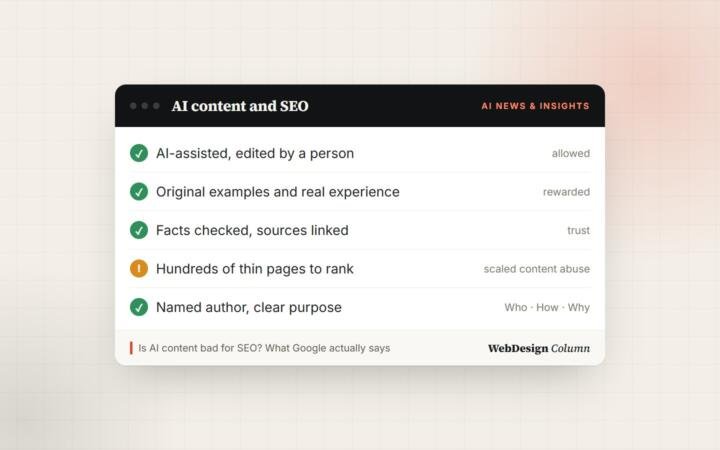
Write the first draft of your content yourself, even if a professional polishes it. You know your business better than any copywriter does on day one. If you plan to let an AI tool draft the pages, read what Google actually says about AI content first.
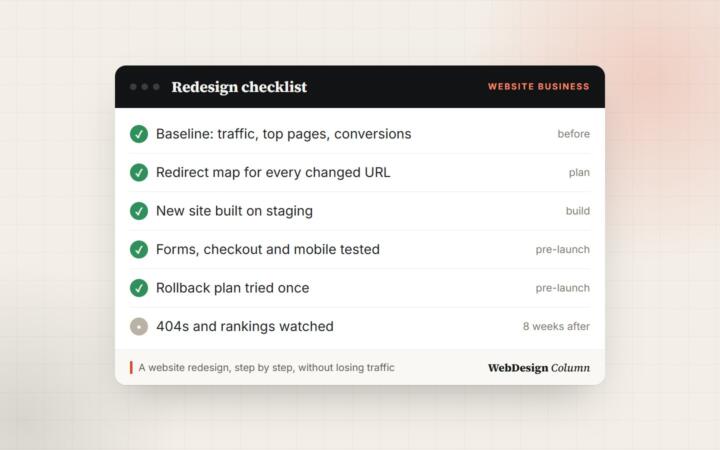
Redesign in phases. Launch the pages that bring in customers first, then add the rest. And keep what already works: pages that rank and convert can usually be restyled rather than rewritten. Our website redesign checklist shows how to find them before you start.
One thing I wouldn’t cut: speed and the redirect plan. A new site that’s slower than the old one, or that loses its rankings, isn’t cheaper in the end. If speed is a concern, our guide to speeding up a WordPress site covers what to ask for.
Frequently asked questions
How much does a small business website redesign cost?
For a typical small business site with 5 to 20 pages, a few thousand dollars with a freelancer, and roughly $10,000 to $40,000 with an agency. Booking, ecommerce, content writing and a platform change all push it higher.
How long does a website redesign take?
Six to twelve weeks is common for a small business site. Content and approvals usually take longer than the design and build, so having your content ready is the best way to shorten it.
Is it cheaper to redesign or to build a new site from scratch?
Usually a redesign that keeps your platform and the content that works is cheaper. Starting over makes sense when the current platform is holding you back, for example when you can’t edit pages yourself or the site can’t do what your business now needs.
Does a redesign include SEO?
Not always. At minimum it should include the SEO migration: redirects for every changed URL, keeping titles and content that rank, and a check in Search Console after launch. Ongoing SEO work is usually a separate service.
Getting quotes?
Get a clear, fixed quote for your redesign.
Our partner agency Plugig Solutions redesigns WordPress and custom websites for growing businesses, and sends a fixed quote and timeline before any work starts. Tell them about your site, and use the questions above to compare.

Leave a Reply